October 2, 2024
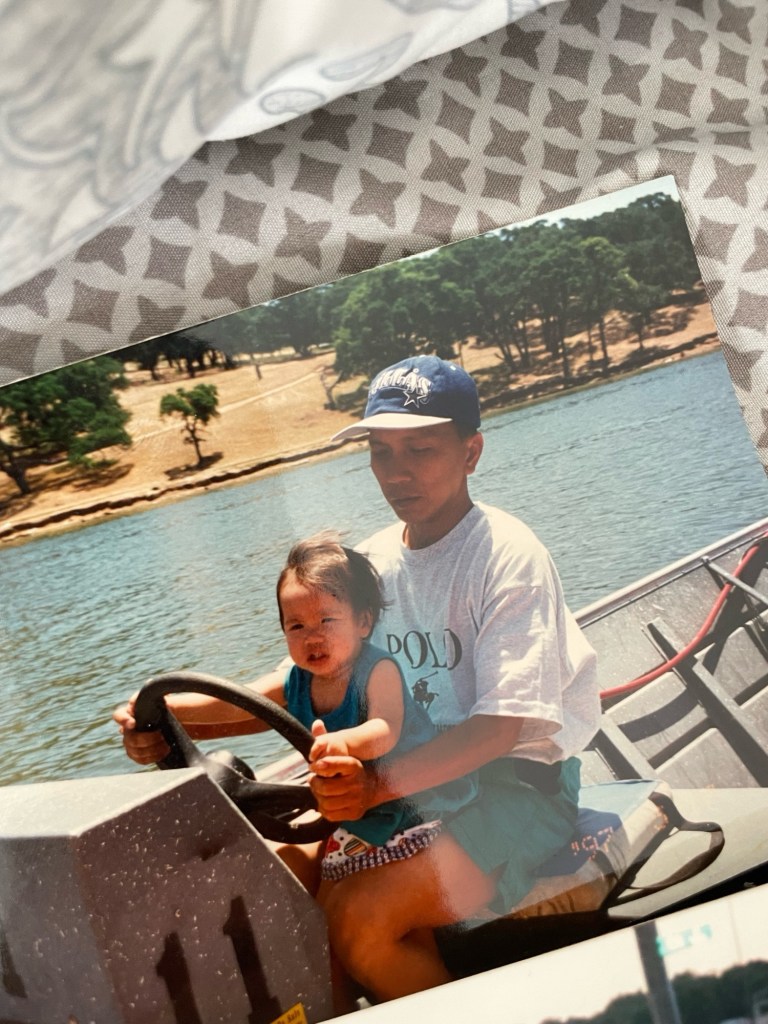
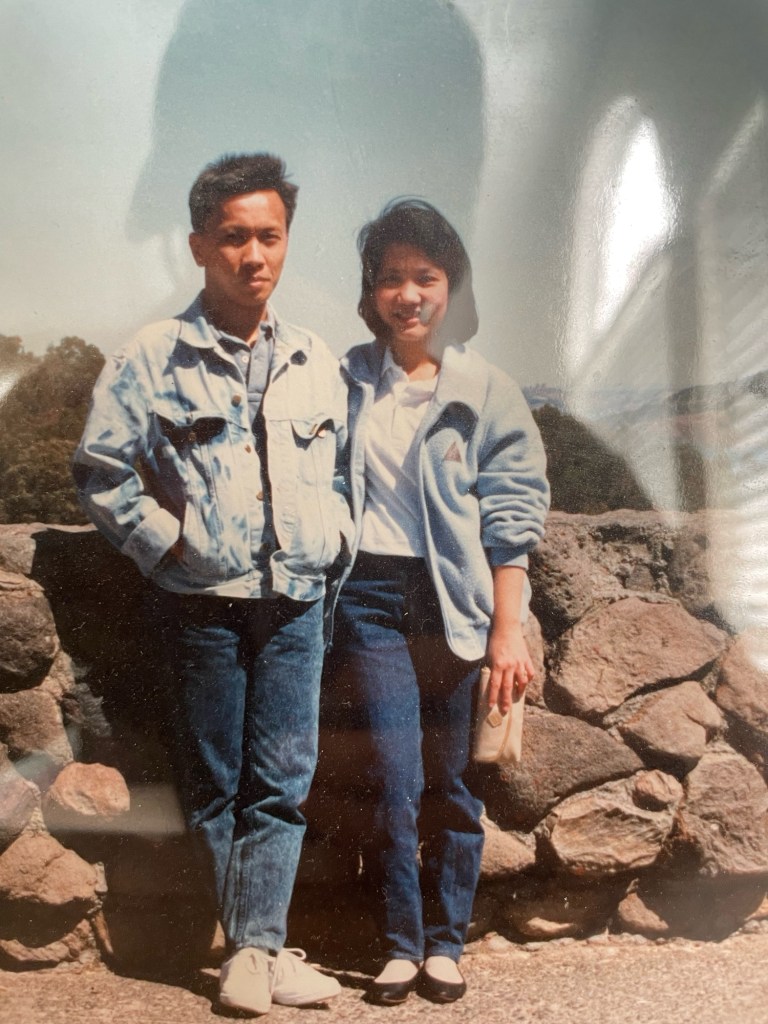
The definition of a wedding dowry is as follows: money gifted by your family for the purpose of funding a wedding.
I didn’t know what a dowry was when I first heard my partner half-joke about having one. The word sat on my tongue like an unfamiliar taste.
When my partner and her family welcomed me to their second home in Cashmere, I didn’t have the words to describe how I felt. Her parents joked about it being a cabin, but pulling up to the two-story home nestled at the end of a winding gravel road and rolling, lush hills, it was anything but. A beautifully designed kitchen with thoughtful decor greeted us as we stepped inside. The wooden-tile backsplash had clearly been chosen with care, and a spacious rustic dining table stood proudly at the heart of the room. Along the walls, mason jars of spices were neatly stacked, sharing space with meticulously crafted board games. Out in Cashmere at night, the stars winked above, and I wondered how the strokes of my life would look if this were my reality—would they soften, like petals in bloom untouched by the wind?
I think about my own family home in Houston, how it sits like a patchwork of broken dreams, woven into the dust bunnies gathering on warped wooden floors, leaky faucets, and cold water running through rusted pipes. Spiders spin webs in the corners of rooms turned into makeshift storage spaces. The living room sofas sag under the weight of old electronics, linens, and kitchen gadgets my mom will never use. Our dining room table narrowly leans to one side, wedged between old cardboard boxes that delicately balance rations of stale food.
When my dad was alive, he clung to an old, rickety vacuum that smelled awful, but he refused to throw it away. “Why would I spend money on another one just for it to do the same thing?” he’d say. Even now, stepping into our parents’ room, I catch the faint scent of that vacuum embedded in the carpet fibers. It’s a reminder of both trying and heartache. My mom groans that replacing the flooring is too expensive, but I wonder if she ever thinks about the part of him still lingering between the walls.

Growing up, my parents shaped a life for my brother and me in predictable Fibonacci sequences: here is the school you’ll attend, here are the majors that will lead to a life worth triple ours – we gave you the shirts off our backs so you could make it here in America.
The four of us found a gentle rhythm of home that tasted like sunny-side up eggs drizzled in soy sauce and the savory smells of my mom’s homemade noodles. Home was knowing who was coming up the stairs just by the sound of their footsteps on the bent floorboards, the familiarity of the stained gray carpet in our parents’ bedroom, the yellowed posters on the wall hiding cracks. There’s a green chair in the bathroom with wobbly legs where my mom brushed the tangles from my hair when I was younger. We lived in a house with the curtains drawn, but for us, the light shone through just enough to bathe it in a golden-hour sepia. We gave our house a name, and it sounded like belonging.
My mom still dreams in colors that paint a world without hardship. “In another life, I would be a nurse,” she says in Vietnamese. “I was so good at school, but the timing just wasn’t right,” she muses. Instead, she wakes up before the rest of the world, working in the throngs of a job that pays just above minimum wage. She once sent me a picture of a souvenir her company gave her to celebrate her 20th anniversary. When I asked if it came with a generous raise, she was silent on the phone. I wonder if she still performs autopsies on conversations she had with herself decades ago. Did she think we would end up here?
Ten years ago, my mom bought me a red necklace with an emerald jade. “It’s for good luck!” she exclaimed. I remember the curve of her smile, the soft gleam in her eyes as she bragged about finding it for $10. When the knot at the top of the jade began to fray, she delicately super glued it back together, handing it back to me with beaming pride. I still wear the necklace today. These are the words that don’t need air to be spoken. If you asked me what love looks like, I would point and say: this, this, and this. My childhood looked like crooked mirrors that sing back to you.
When my partner and I first talked about a trip back to Houston, I felt the shame of the house she’d have to stay in. The problem with anxiety is it feels like empty swings in the park. Here, the streetlights are on, but there is nobody home. How could I ever explain to her that my heart breaks in a song she might never fully understand? Our wounds don’t bleed the same blood.
Today, I’m standing in line at an expensive coffee shop in downtown Seattle, where syrup and alternative milk cost a few extra dollars. I don’t flinch when I press the tip button. I imagine my mom standing next to me, scoffing at the price of everything. I can hear her launching into a tangent about how the world is becoming harder to afford. “Everything is getting more expensive, but they never pay us enough,” she says in Vietnamese.
Today, I am thinking about the love my parents gave me. We loved with our bellies full, even when our pockets weren’t. We counted safety in scores of pillows to rest our heads on and blankets with holes sewn back together. When I book the tickets to fly back, I skip the option to look at nearby Airbnbs. This time, I know where home is.
 Jen Phan