October 7, 2024
When you walk into my family home in Houston, there’s a vertical shrine for my dad that’s hard to miss. On the top shelf is a picture of him—classically handsome, set against a light grey background. He’s flashing that familiar, warm grin, his lips gently pursed. His hair is combed back neatly, and he’s wearing a white striped button-up shirt. His eyes and nose look like mine. Below, a plaque reads: “1960 to 2021.” Surrounding the photo are half-burnt sticks of incense rooted in jars of gray sand, small Buddha figurines, and bright red electric candles that cast an ember-like glow onto the framed photo. In our house, these are the lights that never go out.
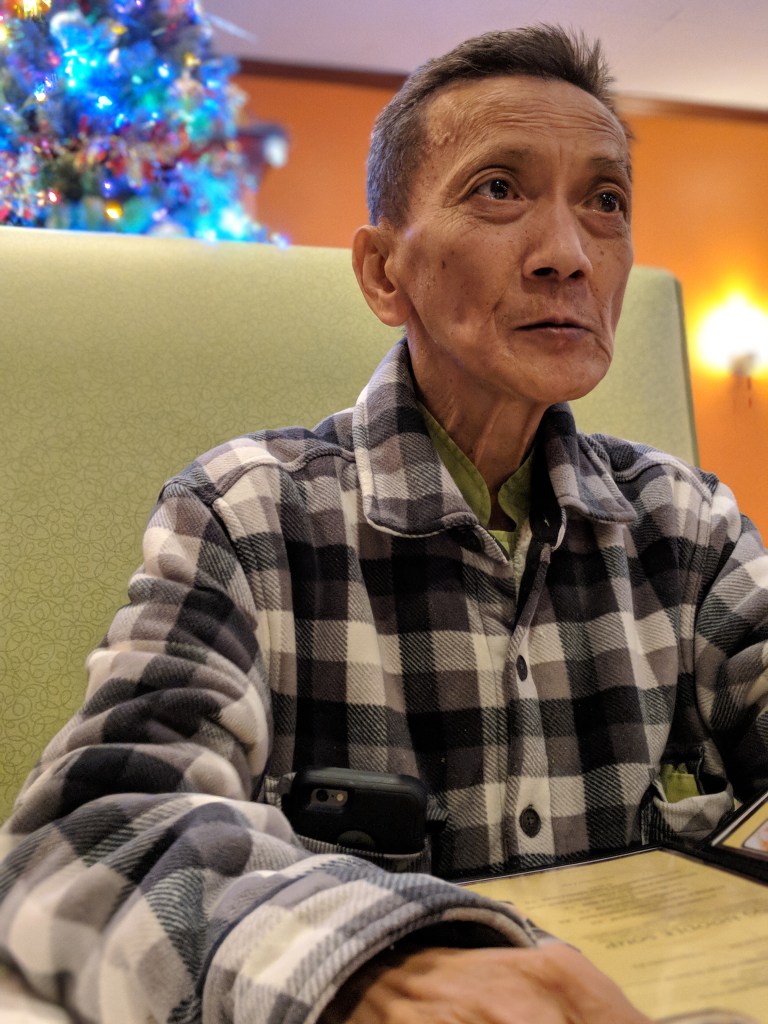
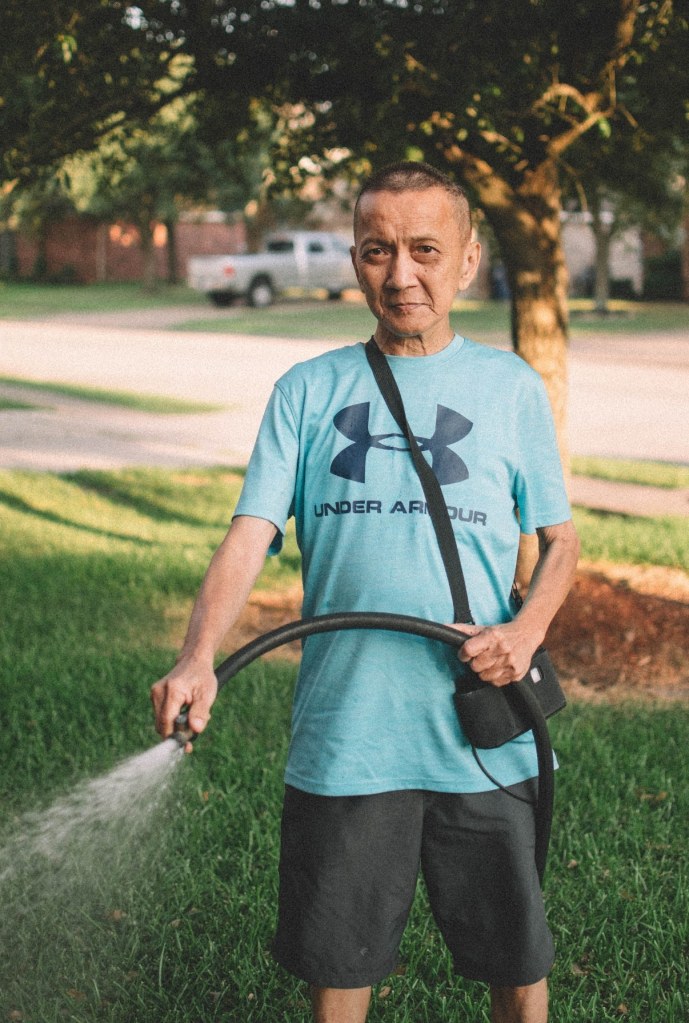
When my mom comes home from work, she’ll often stand at that altar and talk to my dad about how work is aging her. She’ll joke that his being gone has only given her more gray hair. “The government isn’t even giving me that much money for being a widow!” she’ll say in Vietnamese with a half-laugh, half-sigh.
Sometimes, when my mom thinks I’m out of earshot, I hear her telling him she misses their arguments. There’s a soft tremor in her voice when she admits how lonely the weekends are without him. “Who am I supposed to cook for now?” she’ll joke, stifling an evident sob. She’ll quietly ask why he had to drink himself to death, then, just as quickly, say that if she could have one more day with him, she’d let him do it all over again. Like a fallen tree in a silent forest, her pain reverberates through the quiet, its melody ringing in every second that passes without him.
“Can you believe it’s already been three years? I hope he’s not lonely, wherever he is; I hope he remembers us,” my mom says glumly to me on the phone. On the third anniversary of his death, she texted me a photo of his favorite McDonald’s meal and a green bottle of Heineken set beside his photo frame. When she calls me later that day, we laugh at how ridiculous it is. When grief doesn’t make sense, we invent our own ways to speak it.
My mom, my brother, and I each cope with loss in our own ways. Some days, we have two left feet and stumble and step on each other’s toes; other days, the rhythm finds us, and we move through it like waves returning to shore. We never speak explicitly about the pain—it sits with us at the dinner table, like an old friend.
When I imagine showing my dad the life I’ve carved out for myself in Washington, I picture him looking around my apartment walls, shaking his head, grumbling that I’m paying too damn much for a studio two thousand miles from home. He’s in his faded short-sleeve flannel, snug around his belly, and light blue jeans. Mid-sentence, there’s a glimmer in his eyes; a metaphor for pride and joy. I imagine him taking my car keys, asking if I’ve filled up the tank, when I last got my car serviced, and if I’ve eaten dinner yet. I see him stepping out into the hallway, saying he’ll take care of it; that he’ll be back soon. The door clicks gently shut behind him, and I listen to the familiar sound of his steps fading down the hallway.
Tears well up in my eyes as I press my palms to the door, holding back my sobs, careful not to let him hear—even though it’s only in my mind. His absence fills my lungs like smoke, and I call out, “I love you, too, Dad.”
In our house, some lights never go out.
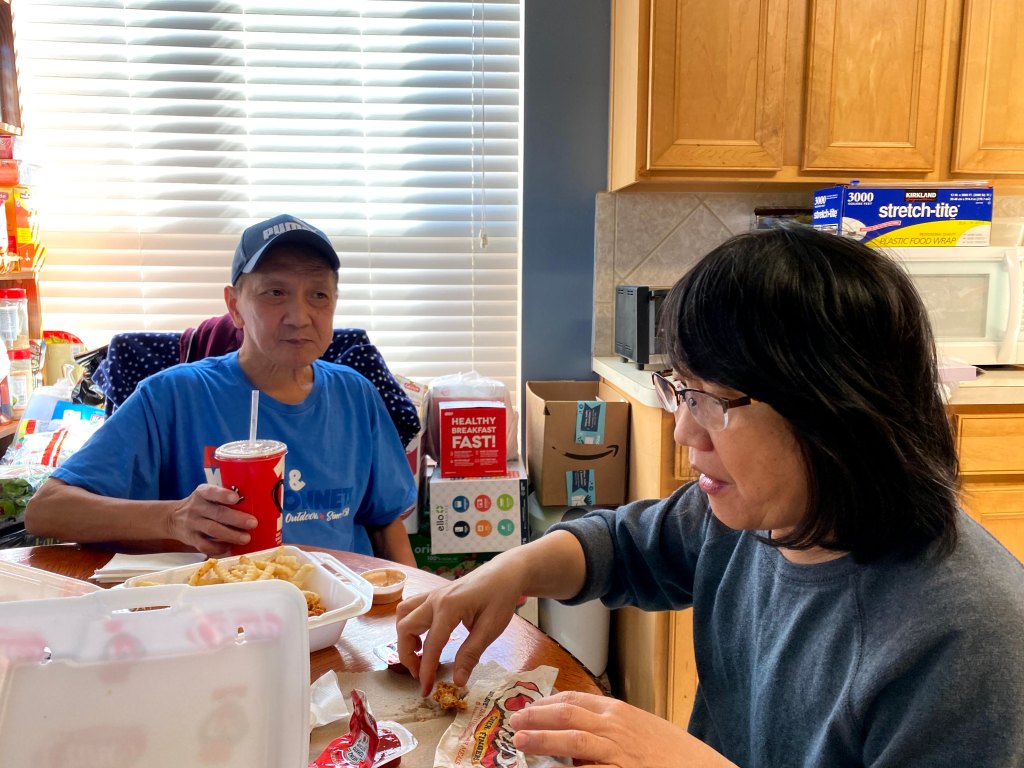
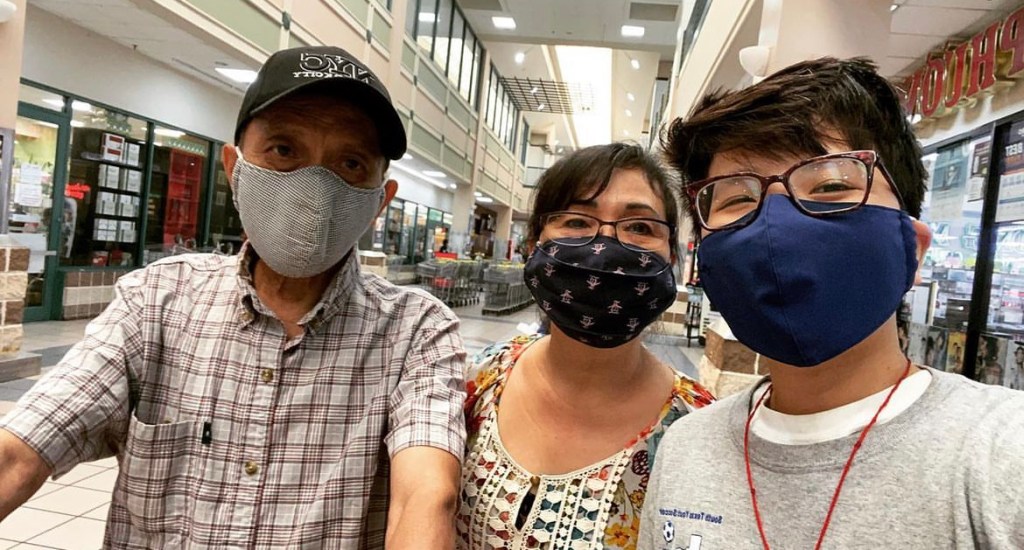
 Jen Phan